
With modern people placing increasing emphasis on personal image, hair care has become an important part of life. Among the many hair care products available, hair oil is undoubtedly one of the most popular. It effectively improves dryness and frizz, enhancing the shine and smoothness of hair. However, despite the significant effects of hair oil , many people have some common misconceptions when using it. These misconceptions not only prevent hair oil from reaching its full potential but may also damage the hair. Understanding and avoiding these common usage mistakes can help us better utilize hair oil and achieve healthy, shiny hair.
This article will delve into three of the most common misconceptions about oil use and offer suggestions for correction, helping you avoid potential problems caused by improper use of essential oils . By using them correctly, you can enjoy the maximum benefits of essential oils, resulting in smoother, softer, and healthier hair.

Part 1: Excessive Use of Hair Oil
Overusing oil is one of the most common mistakes. Many people apply a large amount of hair oil at once, especially when their hair is dry or frizzy, believing that this will better nourish their hair. While hair oil can moisturize dry hair and repair frizzy strands, overuse can have the opposite effect, leading to heavy, oily hair and even clogged pores and scalp problems.
First, we need to understand that oil is not a case of “the more the better.” Many people don’t have a clear understanding of how much hair oil they use, often using large amounts without restraint in hopes of more noticeable results . However, excessive hair oil can not only make hair greasy, affecting its volume and natural shine, but it can also make hair look heavy and lose its natural lightness.
For people with oily hair, too much oil will make their hair even oilier, causing the scalp to secrete more oil, leading to clogged pores and affecting scalp health. For people with dry hair, although hair oil can provide the necessary moisture, excessive use may make the hair look flat and even greasy, making the hairstyle lose its freshness.
Besides affecting hairstyle, excessive hair oil can also hinder the hair’s absorption of nutrients. Hair cuticles can only effectively absorb nutrients when properly moisturized. When using too much oil , the cuticles may be covered in oil, preventing the absorption of nutrients and thus reducing the oil ‘s repairing effect. In general, the effectiveness of hair oil depends on the amount used, not on excessive use.
The correct way to use it is to determine the appropriate amount based on the length and texture of your hair. Generally, one to two drops are sufficient for short hair; two to three drops for medium-length hair; and a slightly larger amount for long hair. If your hair is very dry or damaged, you can increase the amount used, but you should still avoid using too much oil at once .
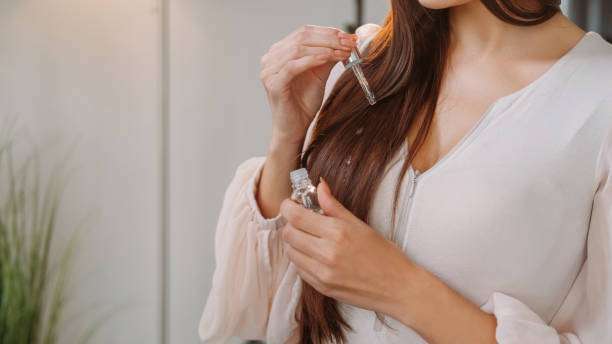
When applying oil , pour it into your palm, rub it evenly between your hands, and then gently apply it to the ends and mid-lengths of your hair with your fingertips, rather than applying it directly to the roots. This not only avoids a greasy feeling but also ensures that the oil is better absorbed, maximizing its moisturizing and repairing effects.

Part Two: Apply hair oil directly to the scalp
Applying oil directly to the scalp is another common misconception. Many people believe that the scalp also needs the moisturizing effect of hair oil when caring for their hair, so they apply hair oil to the scalp, hoping to achieve better results this way. While scalp care is indeed important, applying excessive amounts of hair oil to the scalp is not the correct method.
First, the scalp naturally produces oil, and under normal circumstances, it secretes an appropriate amount of oil to protect the hair roots and strands. Excessive application of hair oil can lead to excessive sebum production, resulting in a greasy feeling and negatively impacting scalp health. For people with oily hair, excessive hair oil may further increase scalp oiliness, causing problems such as dandruff and itching, and may even clog hair follicles, affecting the health of the hair roots.
Secondly, scalp and hair have different care needs. The main function of oil is to moisturize hair, repair damaged cuticles, and make hair smoother and more elastic. Scalp care, on the other hand, should focus on cleansing, soothing, and regulating sebum secretion. Therefore, applying hair oil directly to the scalp is not suitable for its intended function and may also burden the scalp.
If you want to provide better scalp hydration, you can choose specialized scalp care products, such as scalp serums and anti-dandruff shampoos. These products are more suitable for the scalp’s care needs, regulating oil secretion and soothing scalp problems.
When using hair oil , focus on the ends and mid-lengths of your hair, especially if you have dry or damaged hair. The ends are the most prone to dryness and breakage, and a suitable amount of oil can help repair dryness at the ends, making your hair softer and shinier.
Part Three: Incorrect Timing and Methods of Use
Many people choose the wrong time to use oil, which may reduce its effectiveness . Common mistakes include using oil on wet hair or using unsuitable oil with styling tools. Using it at the correct time and in the right way will ensure the oil’s effectiveness is maximized.oil to their still-wet hair after shampooing . This is not ideal because when hair is wet, the hair cuticles are open, and excessive oil can hinder moisture absorption, making the hair look greasy and failing to achieve a moisturizing effect. Furthermore, the hair structure is not fully stable when wet, and applying too much oil may affect the effectiveness of subsequent treatments.
The correct way is to wash your hair and gently pat it dry with a towel, then wait a few minutes until it’s about 90% dry before applying oil. At this point, the hair cuticles will have begun to close, allowing the oil to penetrate better and help repair dryness and frizz.
oil before blow-drying , believing that hair oil provides extra protection for their hair. However, this is a misconception. Combining excessive hair oil with a high-temperature blow dryer can damage the oil’s components, actually harming the hair’s health. To avoid this problem, choose hair oil products with heat protection features. Heat-protective hair oils can protect hair from heat damage when blow-dried or using styling tools, while providing necessary moisture.
In addition, before using styling tools, choose oil products suitable for your styling needs. Some oil products contain natural ingredients and are suitable for daily nourishment, but not for use in high-temperature environments. When blow-drying or using styling tools such as straighteners and curling irons, choosing hair oils with heat protection properties can effectively reduce heat damage and maintain the health and shine of your hair.
Conclusion
Hair oil, as an important hair care product, provides moisture, shine, and repair to the hair. However, the correct usage is key to maximizing its effectiveness. By understanding and avoiding common hair oil usage mistakes, we can better care for our hair and restore it to a healthy, shiny state. Overuse, incorrect application to the scalp, and inappropriate timing are easily overlooked issues, but as long as we master the correct methods, we can fully utilize the advantages of hair oil , making our hair smoother, softer, and radiating a healthy shine.
Hopefully, this article will help you avoid these common mistakes and use hair oil scientifically and rationally to achieve your desired hair care results. If you want your hair to regain its health and shine, remember these precautions and choose the right hair oil product according to your hair type to HYPERLINK hair oil maximize its effectiveness.