
Hair oil has long been considered a hair care product specifically designed to nourish hair. Indeed, hair oil ‘s effects on hair are remarkable; it deeply nourishes hair strands, repairs damaged hair, and makes it smoother and shinier. However, many people often overlook the benefits hair oil provides to the scalp. In fact, hair oil is not only beneficial to hair, but its effects on scalp care are equally significant; in fact, it could be said that its nourishing effect on the scalp far surpasses its effect on hair care.
Most people may not realize that scalp health is key to hair quality. The condition of the scalp directly affects hair growth and health. An unhealthy scalp can lead to hair loss and thinning and also hinder the normal growth of new hair. Hair oil ‘s benefits extend beyond hair care; it provides deep scalp moisturization, alleviates scalp problems, promotes blood circulation, and even improves overall scalp health to some extent. These effects are often irreplaceable by many other hair care products.
In this article, we will explore five major benefits of hair oil for the scalp, revealing how it improves the scalp environment, enhances hair health, and ultimately helps you achieve true dual care for your scalp and hair.
1. Moisturizes dry scalp and relieves scalp tightness
Many people have experienced the discomfort of dry scalp, especially during seasonal transitions, cold winters, or dry climates, when the scalp is more prone to feeling dry and tight. Dry scalp often leads to a range of discomforts, such as itching, increased dandruff, and even peeling. Besides being uncomfortable, a dry scalp can also affect hair health, making it brittle and prone to breakage.
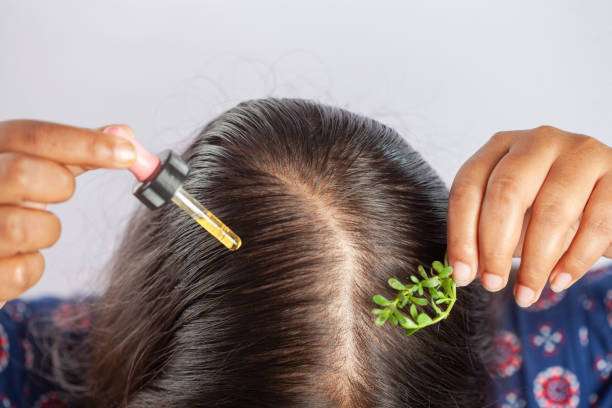
Hair oil effectively moisturizes and relieves scalp dryness. Most natural plant oils, such as coconut oil, argan oil, and jojoba oil, are rich in fatty acids and vitamins, providing rapid and deep hydration to the scalp. When hair oil is applied to the scalp, the nutrients in the plant oils quickly penetrate deep into the skin, providing the necessary moisture and oil to a dry scalp. This deep moisturizing soothes tightness and restores the scalp’s softness and elasticity.
In addition, the plant-based ingredients in hair oil can help regulate scalp sebum secretion, preventing excessive oil loss or buildup. It balances the scalp’s oil and moisture levels, reducing discomfort caused by excessive dryness or oiliness. Therefore, regular use of hair oil can effectively alleviate scalp dryness and maintain scalp health and comfort.
II. Relieves scalp itching and reduces scalp inflammation
Scalp itching is a common problem for many people, especially during seasonal changes, when many experience itchy and red scalps. Scalp itching not only causes discomfort but can also be accompanied by scalp inflammation and hair loss and, in the long run, affect hair growth. There are many causes of scalp itching, including dryness, allergies, excessive sebum production, or bacterial infection. Regardless of the cause, scalp itching and inflammation can affect the health of hair follicles and may even lead to hair loss.
Using hair oil for scalp care can effectively relieve this discomfort. Many natural plant oils have anti-inflammatory and anti-allergic properties, which can relieve scalp itching caused by allergies or inflammation. For example, tea tree oil, lavender oil, and peppermint oil all have natural antibacterial and antifungal properties, which can help cleanse the scalp and reduce inflammation caused by bacteria or fungi. They can not only soothe scalp itching but also help reduce redness and allergic reactions.
Meanwhile, plant oils such as argan oil and jojoba oil also have powerful repairing abilities, providing deep nourishment to the scalp and helping it return to a healthy state. Long-term use of hair oil can reduce itching caused by scalp inflammation, making the scalp more comfortable and preventing frequent scratching from worsening scalp problems.
3. Promotes blood circulation and stimulates hair growth
Blood circulation in the scalp directly affects the health of hair follicles and hair growth. Good blood flow delivers oxygen and nutrients to the hair follicles, promoting normal hair growth. If blood circulation is poor, the hair follicles won’t receive sufficient nutrients, easily leading to brittle, dry hair and even hair loss.
Essential oils can promote blood circulation in the scalp and improve nutrient supply to hair follicles through massage. When you apply hair oil and massage your scalp, the movements of your fingers effectively promote blood flow, while the natural components in the essential oil stimulate hair follicles and activate scalp cells. Many essential oil products containing peppermint and rosemary oils can directly stimulate the scalp and promote blood circulation. The cooling sensation and activating effects of these plant oils can provide a strong stimulus to the scalp, helping to improve blood circulation and promote healthy hair follicles.
More importantly, promoting blood circulation not only reduces hair loss but also provides a better environment for hair growth. By improving the nutrient supply to hair follicles, essential oils can help hair grow healthier and thicker. Long-term use of essential oils that promote blood circulation can significantly improve hair density, making hair look fuller and stronger.
IV. Antibacterial and antifungal properties, keeping the scalp clean.
The scalp is part of the skin and is constantly exposed to the external environment, easily accumulating dust, oil, bacteria, and other pollutants. Once the scalp becomes infected with bacteria or fungi, it can easily lead to problems such as inflammation, hair loss, and dandruff. Oily or dry scalps are often breeding grounds for bacteria. If not cleaned regularly, scalp health will be affected, which in turn will affect the quality of the hair.
Many natural hair oils possess natural antibacterial and antifungal properties, effectively cleansing the scalp and preventing the growth of bacteria and fungi. For example, tea tree oil has powerful antibacterial and antifungal effects, deeply cleansing the scalp, removing oil and dirt, and preventing scalp infections caused by bacteria. Rosemary oil and lavender oil, on the other hand, can help soothe the scalp, reduce inflammation, and maintain a healthy scalp environment.
hair oil can deeply cleanse the scalp, keep pores clear, reduce dandruff, and prevent scalp inflammation. At the same time, the antibacterial components in hair oil can help regulate scalp sebum secretion, preventing discomfort caused by oiliness or dryness, and keeping the scalp clean and healthy.

5. Regulates scalp oil and improves oily scalp problems
Oily scalps often suffer from excessive sebum production, resulting in greasy, heavy hair that is difficult to manage. Excessive sebum not only makes hair look dull but can also clog pores, affecting the health of hair follicles and consequently hindering normal hair growth. Many people try to solve the oily problem by washing their hair frequently, but over-washing can strip away the scalp’s natural oils, leading to dryness and irritation.
Hair oil can help regulate scalp sebum secretion and improve the problems of oily scalp. Some plant oils, such as jojoba oil, have properties very similar to human sebum, which can regulate scalp sebum secretion and prevent greasiness. Jojoba oil can not only moisturize dry scalp but also balance the sebum secretion of oily scalp, preventing scalp problems caused by excessive oil buildup.
In addition, ingredients such as rosemary oil and lemon oil help cleanse excess oil, regulate oil balance, and keep hair clean. Using essential oils suitable for oily scalps can reduce oil production.
It reduces greasiness, improves the scalp environment, and makes hair healthier and lighter.
Conclusion
Through the analysis of the five aspects above, we can clearly see that the benefits of essential oils for the scalp are not limited to nourishing hair strands; they also play a crucial role in scalp health. From moisturizing dry scalps, relieving itching, and promoting blood circulation to cleansing the scalp and regulating oil production, hair oil comprehensively improves scalp health and comfort by enhancing the scalp environment. A healthy scalp is the foundation of hair growth; only by maintaining a healthy scalp can one have thicker, shinier hair.
Therefore, incorporating hair oil into your daily hair care routine can not only make your hair smoother and shinier but also provide deep nourishment to the scalp, promoting scalp health. If you haven’t started using hair oil to care for your scalp yet, now is the time to pamper both your scalp and hair. Choose a hair oil that suits your hair oil and enjoy healthy care from head to toe.