
Hair oil is not just a hair care product, but also a reflection of culture.
hair oil is more than just a routine care practice; it reflects, on a deeper level, different cultures’ understanding of aesthetics, health, nature, and lifestyle. Around the world, almost every hair care habit closely associated with hair oil carries a unique historical background, social structure, and aesthetic philosophy. This cross-regional wisdom in hair care tells us that hair care is not simply a technical issue; it is closely linked to ethnic customs, climatic conditions, and social identity.
From Asia to Africa, from the Mediterranean coast to the tropical regions of South America, people in every region have developed hair care methods suited to their own environments. Hair oil not only protects hair from external damage but is also part of daily rituals, sometimes even closely associated with religious ceremonies, weddings, coming-of-age ceremonies, or social identities. Understanding these cultural contexts allows us to make more informed and personalized choices when selecting and using hair oil, rather than blindly following trends.
India: The Millennia-Old Wisdom of Oil Treatments and Scalp Massage
In India, the use of hair oil , known as “Ayurvedic hair care,” is part of a millennia-old traditional medicine practice. Indians believe that healthy hair stems from a balanced scalp, and essential oils are the core tool for maintaining this balance. Indian hair oils are typically a blend of sesame oil, coconut oil, amla fruit oil, and various herbal extracts. These oils not only nourish the hair strands but are also believed to improve scalp circulation, relieve stress, and delay graying.
In Indian culture, scalp massage is an important part of daily hair care. Young women, pregnant women, and the elderly regularly massage their scalps, applying oil evenly with their fingertips and gently kneading to promote blood circulation. Scientific research shows that this massage can increase blood flow to the scalp’s capillaries, relieve tension, and simultaneously form a protective film through the oil, reducing damage to hair from UV rays and environmental pollution. It can be said that Indian hair care culture emphasizes the combination of overall health and hair care, rather than simply pursuing shine or smoothness.
Japan: A refined philosophy of lightness and layering
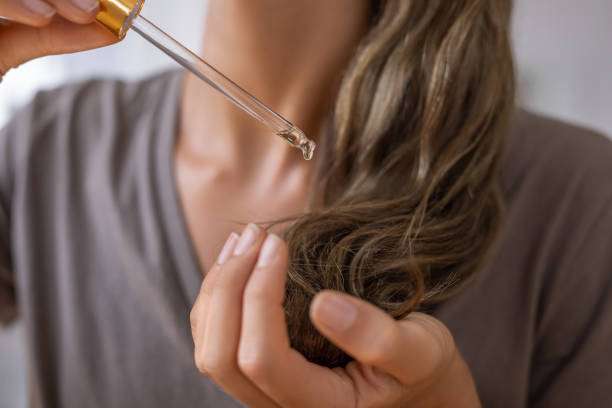
In contrast to the heavy nourishment of Indian hair oil treatments, Japanese hair oil culture leans towards lightness and refinement. Japanese women, long influenced by the humid climate and fine, soft hair, place greater emphasis on the layering and natural smoothness of their hair. Japanese hair oils typically use light, plant-derived oils such as rice bran oil, tea seed oil, and camellia oil. These oils have smaller molecules, are easily absorbed, and do not leave hair feeling heavy or greasy.
In Japan, hair oil is not only used for nighttime care but also frequently used as a pre-styling treatment. The application method emphasizes precise control, focusing on the “feeling of the hair and fingers,” distributing small amounts multiple times from the mid-lengths to the ends of the hair, rather than concentrating it at the roots. This cultural practice reflects the Japanese dedication to detail and balance, while also demonstrating respect for natural hair growth patterns rather than forced styling.
Africa: Practical wisdom on strengthening hair and protecting oil
The African continent boasts a rich hair care culture, particularly in oil-based treatments for curly and coarse hair. Traditional African hair oil is often a blend of shea butter, cocoa butter, and coconut oil, resulting in a thick texture that provides excellent protection for curly hair. This type of oil deeply coats the hair cuticle, preventing dryness and breakage, and forms a natural barrier in hot, dry environments, reducing damage from UV rays and wind.
African hair care culture emphasizes the combination of periodic treatments and social rituals. Within families, women often apply oil, braid, and undergo prolonged hair care at specific times. This is not only a beauty practice but also part of community identity and emotional exchange. Scientific research shows that this thick layer of oil effectively reduces friction and breakage in curly hair, allowing it to maintain elasticity and resilience under environmental stress. In short, African hair care wisdom embodies a “function-first” cultural logic: oil care is a fusion of survival and aesthetics.
Mediterranean Coast: Olive Oil and the Philosophy of Natural Care
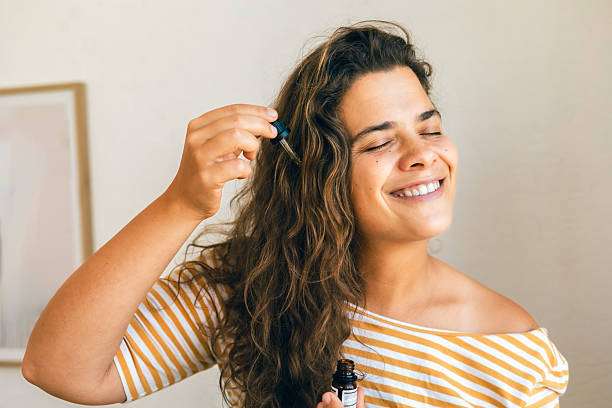
In the Mediterranean region, the tradition of using olive oil for hair care dates back to ancient times. Olive oil is not only a daily cooking oil but also a natural tool for hair and skin care. People in Greece, Italy, Turkey, and other places often apply a small amount of olive oil to the ends of their hair after shampooing or gently massage it into their scalp. Olive oil is rich in monounsaturated fatty acids and antioxidants, which can reduce free radical damage to hair while forming a protective film to lock in moisture.
Mediterranean culture emphasizes naturalness and simplicity, with hair care often integrated into daily life rather than as an extra ritual. The use of hair oil is seen as an adaptation to the natural environment, helping hair remain healthy in hot, dry, or humid and windy conditions by regulating the balance of oil and moisture. This culture embodies the unity of hair care and lifestyle philosophy: hair maintenance is a way of life, not merely a pursuit of visual effects.
Brazil and the Tropical Rainforest Region: Vegetable Oils and Adaptability to Tropical Environments
In Brazil and other tropical South America, hair oil use is significantly affected by the hot and humid environment. High UV intensity and fluctuating humidity in tropical regions make hair prone to damage and frizz. Locals commonly use coconut oil, palm oil, and tropical plant extracts for hair care. These oils have excellent penetrating and moisture-wicking properties, effectively preventing frizz and breakage.
In tropical cultures, hair care is not only a personal practice but also a social ritual. For example, before festivals or celebrations, women would mix essential oils with herbal fragrances for hair care and styling, embodying a fusion of aesthetics, fragrance, and function. This wisdom demonstrates the multidimensional function of hair care culture in tropical regions: protection, decoration, and social expression.

A Historical Fusion of Spices and Hair Oil
hair oil in the Middle East dates back thousands of years. In Arabic culture, sesame oil, olive oil, and aromatic essential oils are common hair care products. These oils not only nourish the hair but also provide sun protection, antioxidant benefits, and scalp conditioning. Middle Eastern women typically apply a small amount of oil to their hair after cleansing, combined with a massage, to keep their hair smooth and manageable.
In a cultural context, Middle Eastern hair oil also carries religious and status symbolic significance. The use of specific oils or spices may be related to social status or religious rituals; hair care is not merely about beauty, but also a form of cultural expression. This demonstrates that hair oil in Middle Eastern culture is both a practical tool and a symbolic medium.
Western modern hair oil : a combination of scientific formulation and functionalism
In Europe and America, hair oil culture has been significantly influenced by industrialization and technological development. Modern hair oils typically combine light plant oils with synthetic oils, using a scientifically formulated ratio to achieve functions such as rapid absorption, smoothness, anti-frizz, and antioxidant properties. Westerners tend to prioritize functionality and convenience when using hair oil , such as quick morning styling or overnight repair.
Western hair care culture emphasizes personalization and efficiency. Different hair types, colors, and environmental conditions require different oil formulas, with clear recommendations on usage frequency and amount. This culture embodies the concept of “science first”: hair oil is not only a continuation of traditional wisdom but also a result of combining modern technology and hair care research.
Commonalities and Inspirations of Global Hair Care Wisdom
the hair oil usage cultures of these seven countries , three main commonalities emerge: First, oils are used as a core tool to protect the scalp and hair, serving the purpose of hair health regardless of their thickness or lightness. Second, hair care is often integrated into daily life or rituals, reflecting a combination of aesthetics and social function. Third, different climates and hair types determine the type, method, and frequency of oil use, forming a fusion of scientific experience and cultural tradition.
These experiences offer important insights for modern hair care enthusiasts: hair oil is not merely a beauty product, but a multi-functional hair care tool. Choosing hair oil should be based on one’s own hair type, environmental conditions, and intended use, rather than simply following trends. The wisdom of hair care from different cultures reminds us that the proper use of oils can protect hair while also enhancing the sense of ritual in our lives and our personal aesthetic pursuits.
FAQ
hair oils have different textures and application methods in different cultures? The differences in
hair oil usage across cultures are mainly determined by hair type, climate, social customs, and historical background. Thick oils are suitable for curly hair and dry environments, while light oils are suitable for fine hair and humid climates.
Can we combine hair care wisdom from different countries?
Yes, but it should be tailored to your individual hair type and environment. For example, you can use an Indian scalp massage at night and a Japanese-style lightweight hair oil during the day for smoothing and protection, achieving a multi-faceted hair care effect.
the hair oil culture offer for modern hair care?
The global culture of essential oils demonstrates that hair care is not just a technical matter, but also a lifestyle wisdom. Using hair oil appropriately , considering environmental and hair type needs, and incorporating a sense of ritual into hair care can comprehensively improve hair health and appearance.