
The effects of a beach vacation on hair oil
A beach vacation is a relaxing way to enjoy the sun and sea breeze, but it can be a potential test for your hair.
The salt in seawater, the ultraviolet rays in sunlight, and the mechanical friction from the wind can all cause dryness, frizz, breakage, and even color fading.
- Salt absorbs moisture from the hair shaft, causing the cuticles to lose their shine and elasticity.
- Ultraviolet rays damage the hair’s protein structure, accelerating color fading and making the hair brittle and prone to breakage.
- The friction from the sea breeze and sand also damages the cuticles, making the hair surface rough and difficult to comb.
Therefore, without proper hair care during a beach vacation, even a wonderful day trip can result in significant hair damage.
Modern hair care emphasizes prevention, especially during vacations, where taking preventative measures is more crucial than post-construction repair. Hair oil, with its natural ingredients and multiple benefits, has become a core tool for beach hair care. Through proper application and usage, hair oil not only nourishes hair but also forms a protective film under high-intensity conditions, reducing damage from salt, UV rays, and mechanical friction, keeping hair healthy, smooth, and shiny throughout your vacation.
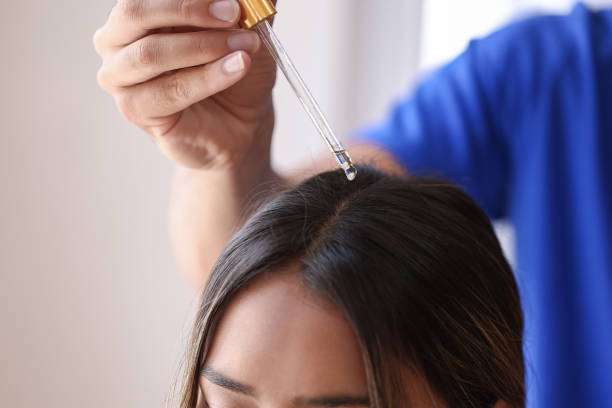
Step 1: Deep Nourishment Before Departure
Applying hair oil within 24 hours before your trip is the first step in beach protection. Choose natural oils rich in moisturizing and repairing ingredients, such as shea butter, argan oil, or amla oil. Apply evenly to the mid-lengths and ends of your hair, gently massaging the scalp to allow the nutrients to fully penetrate. Deep nourishment forms a protective layer on and within the hair, enhancing its resilience and elasticity, preparing it for the upcoming exposure to seawater and sun.
The deep-nourishing process not only improves dry and frizzy hair but also reduces the risk of split ends and breakage. A pre-trip hair oil treatment helps hair remain smooth and shiny even when exposed to salt water, sand, and UV rays. For dyed or permed hair, deep nourishment can also stabilize color and slow down fading, ensuring hair remains healthy and stylish after the vacation. This step essentially creates a protective barrier for the hair, laying the foundation for continued protection during your vacation.
Step Two: Immediate Protection Before Beach Activities
Before arriving at the beach and preparing for activities, the second step is to apply hair oil for immediate protection. Choose a lightweight, quickly absorbed hair oil , such as coconut oil or camellia oil, and apply it from the mid-lengths to the ends of your hair, avoiding the scalp as much as possible to prevent adding greasiness. Gently comb through your hair to ensure the hair oil is evenly distributed across each strand, forming a thin protective film that effectively protects against direct damage from seawater salt and UV rays, while also improving smoothness and reducing frizz from wind.
The key to immediate protection lies in forming a protective film rather than deep nourishment, so the amount applied should be moderate. With the protection of hair oil , hair can maintain its smoothness even when exposed to sun, wind, and water during beach activities. At this time, hair oil not only acts as a physical barrier but also continuously provides trace amounts of nourishment, reducing damage to hair strands in high-intensity environments, thus achieving the goal of “vacation hair care.”

Step 3: Immediate recovery after water activities
Swimming or contact with seawater is inevitable during vacations. After water activities, hair is easily damaged by salt and sand, requiring immediate repair. After the activity, immediately rinse your hair with clean water to remove salt and impurities, then apply hair oil for repair. The hair oil replenishes lost moisture and oils, balances the water-oil ratio within the hair strands, and repairs micro-damage caused by seawater and sunlight. For long or damaged hair, you can increase the amount of hair oil , focusing on the ends and dry areas.
Immediate repair after water activities can prevent hair from becoming dry and frizzy due to salt residue and reduce the risk of breakage and split ends after sun exposure. The fatty acids and vitamins in hair oil can penetrate the hair shaft, enhancing cuticle stability and restoring smoothness and shine. For dyed or permed hair, timely repair can also slow down color fading and improve color longevity, allowing you to maintain healthy hair throughout your vacation.
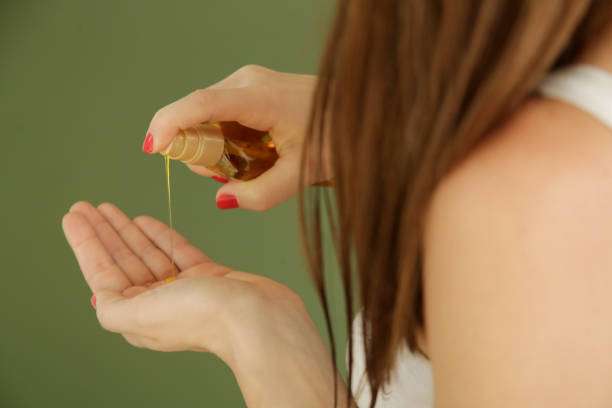
Step 4: Deep Nourishment and Repair at Night
Nighttime is the golden time for hair to repair itself, especially important during a beach vacation. When using hair oil at night , choose a highly nourishing and easily absorbed oil, such as shea butter or amla butter. Apply it evenly to the mid-lengths and ends of your hair, gently massaging the scalp to promote blood circulation and nutrient absorption. Deep nighttime nourishment not only repairs daytime environmental damage but also improves scalp dryness and itchiness, leaving the scalp comfortable and providing long-term support for healthy hair.
Nighttime hair oil application can be optimized to match your sleep habits. For example, gently tie your hair up or wrap it with a silk towel to reduce friction and prevent oil loss. With prolonged use, the hair oil can penetrate deep into the hair shaft, enhancing resilience and shine, keeping hair smooth and healthy throughout your vacation. Deep nighttime nourishment not only enhances the hair care effect but also prepares the hair for the next day’s beach activities, achieving all-day hair care management.
Comprehensive protection strategies and practical techniques
Combining these four steps minimizes the damage to hair from the beach environment. Deep nourishment before heading out lays the foundation, immediate protection before beach activities forms a protective film, timely repair after water activities removes salt and sand, and deep nourishment at night repairs and strengthens the hair. This four-step hair care method keeps hair healthy, smooth, shiny, and elastic during your beach vacation, while reducing split ends, breakage, and dryness.
In addition, the choice and amount of hair oil used should be adjusted according to hair type, length, and environment. Dry hair is suitable for oils with strong nourishing properties, fine and soft hair is suitable for oils that are lightweight and easily absorbed, and long hair or dyed/permed hair can use more, focusing on caring for the ends. Scientifically combining hair oil with shampoo and conditioner, and scheduling application appropriately, can achieve all-day, multi-layered beach protection, ensuring your hair is in its best condition during your vacation.
In practice, it’s important to avoid direct contact between hair oil and clothing/beach towels to prevent oil stains. Before going out to sea or swimming, apply hair oil to your hair and gently tie it up to reduce water impact and friction damage. Continued use of this four-step hair care method will not only improve hair health but also maintain its natural shine and smooth feel, making your vacation more enjoyable and worry-free.
FAQ
What hair oil should you use during a beach vacation?
It is recommended to use a highly nourishing oil, such as shea butter or amla oil, before heading out. Before beach activities, choose a lightweight and easily absorbed coconut oil or tea seed oil. For deep repair at night, you can use a highly nourishing oil again to achieve all-day hair care.
How to control the amount of hair oil used?
Before going out and for nighttime conditioning, you can apply a larger amount to ensure deep nourishment and repair. Before beach activities, apply a thin layer to form a protective film without being greasy. For long or damaged hair, you can apply a larger amount to the ends.
How to prevent hair oil affecting your hairstyle or staining your clothes during vacation?
After applying hair oil , gently comb it evenly. You can put your hair up in a bun or wrap it with a silk towel to avoid contact with clothing and beach towels. At the same time, ensure that the oil is fully absorbed to achieve both hair care and styling results.