
In modern life, many people rely heavily on heat-based tools—curling irons, straighteners, and hair dryers have become essential daily hair styling tools. While these tools help us quickly style our hair and create our ideal hairstyles, they can also damage our hair. High temperatures can disrupt the hair’s natural structure, making hair dry, brittle, and prone to breakage, and even damaging the hair cuticles and causing it to lose its shine. How to avoid damaging hair while using heat-based tools has become a concern for many.
One answer is hair oil. Hair oil is a product that nourishes and protects hair through ingredients such as plant oils. It provides extra nutrients to the hair and forms a protective film when using heat tools, preventing damage from high temperatures. Properly using hair oil with heat tools can effectively reduce heat damage and maintain healthy, shiny hair. This article will reveal three golden rules for using hair oil with heat tools to protect your hair from damage, helping you maintain healthy and beautiful hair while creating your ideal hairstyle.
1. Why do heat tools damage hair?
The damage caused by heat tools is multifaceted, primarily affecting hair health in the following ways. First, high temperatures cause the hair’s internal moisture to evaporate, making the hair strands dry and brittle. Hair is composed of keratin, which has a hydrating function; moisture loss causes hair to lose elasticity and become prone to breakage. Second, the high temperatures of heat tools can also damage the hair’s outer cuticle, which acts as a protective film against external damage. If the cuticle is damaged, the hair’s structure becomes loose, making it more susceptible to absorbing moisture and pollutants from the air, thus causing further damage.
High temperatures can also cause hair to lose its natural shine, making it look dull and lifeless. Hair undergoes an oxidation reaction when exposed to high temperatures, which not only damages its texture but also causes its color to fade gradually, especially with frequent dyeing. Hair that has already been dyed and is damaged by the dye can be further damaged by using heat tools.
In conclusion, while heat styling tools can give us beautiful looks, they also put a significant strain on our hair. Therefore, learning how to protect our hair from damage caused by heat styling tools is especially important.

II. The protective effect of hair oil
Hair oil , a hair care product rich in natural plant oils and essential oils, plays a crucial role in preventing heat damage. Essential oils not only moisturize the hair, but also form a protective film on the hair surface, providing insulation. The plant oil components in essential oils, such as argan oil, coconut oil, and jojoba oil, can penetrate into the hair shaft, nourishing the hair, effectively locking in moisture, and reducing heat damage.
2.1 Heat protection function of hair oil
hair oil typically have high heat resistance. When using heat tools such as hair dryers, curling irons, or straighteners, hair oil can form a protective film on the hair surface. This film not only effectively blocks some direct heat contact but also helps retain hair moisture, preventing dryness and brittleness caused by high temperatures. For already damaged hair, hair oil can have a repairing effect, reducing breakage and split ends caused by high temperatures.
2.2 Provides deep nourishment and repair
Besides its heat-protective properties, another important benefit of hair oil is its deep nourishment and repair. The fatty acids in plant oils can penetrate the hair shaft, providing essential nutrients and helping to repair hair damaged by dyeing, perming, or environmental factors. The antioxidants in essential oils , especially argan oil and coconut oil, effectively repair the hair cuticle, increase shine, and make hair healthier and more elastic.
Especially when using hot tools frequently, hair oil not only provides heat protection but also effectively resists damage caused by prolonged high-temperature use. Regular use of hair oil can also help hair recover to a healthier and stronger state.
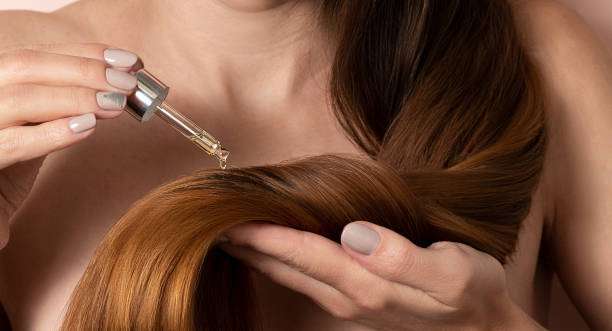
III. Correct Rules for Using Hair Oil and Heat Tools
with essential oils lies in the correct combination and application method. Using essential oils isn’t just about haphazardly applying them; choosing the right products and mastering the correct application method are crucial to maximizing their protective effect. Here are three golden rules for protecting hair from heat damage.
a hair oil that suits your hair type
Different hair types require different types of hair oil . For dry, frizzy hair, it is recommended to choose moisturizing hair oils , such as argan oil, coconut oil, or avocado oil. These plant oils have strong nourishing properties and can deeply moisturize dry hair and repair damaged hair. For oily or fine hair, it is recommended to choose lightweight hair oils , such as jojoba oil or grapeseed oil. These can provide necessary protection for the hair without adding greasiness.
hair oil for your hair type is crucial, as different oils have different effects and textures. Using an unsuitable hair oil can make your hair greasy and heavy, affecting your hairstyle.
3.2 Rule Two: Use in moderation, avoid overuse.
While hair oil has excellent nourishing and protective properties, excessive use can lead to a greasy , heavy scalp, affecting hairstyle results. Using it in moderation is key. Generally, when applying hair oil , take a small drop (about the size of a pea) and apply it evenly to the ends and mid-lengths of your hair, avoiding direct application to the roots. The roots already contain natural oils, and too much oil will make the scalp feel greasy.
Before using heat tools, make sure the hair oil is applied completely and evenly to your hair and gently massage it in to help it absorb better. You can apply a little more to drier ends, but avoid applying too much.
3.3 Rule Three: Choose the appropriate temperature for your heat tools
While hair oil can provide protection for hair, it’s equally important to properly control the temperature of hair styling tools. Excessive heat can exceed the protective range of hair oil and still damage the hair. Therefore, when using hair styling tools, you should choose a temperature suitable for your hair type. Generally, people with fine or damaged hair are advised to use lower temperatures, while those with coarse or thick hair can use slightly higher temperatures to achieve their desired styling results.
At the same time, try to avoid concentrating high temperatures on the same area for extended periods. When using heated tools, move them gently and avoid staying in one spot for too long to reduce damage to your hair from localized high temperatures.

IV. Additional hair care tips
In addition to using hair oil and the correct heat tool temperature, there are some extra hair care tips that can help further protect hair from damage caused by heat tools.
4.1 Regular deep conditioning treatments
Regular deep conditioning can help repair hair damaged by heat tools or other external factors. Using deep-nourishing conditioners, hair masks, or hair oils can provide a stronger repair effect, enhance hair resilience, and reduce breakage and split ends.
4.2 Avoid overuse of hot tools
While hot styling tools are very convenient, overuse can cause serious damage to hair. Minimize the frequency of hot styling tool use and give your hair time to recover. Reduce heat damage by letting your hair air dry or using other low-temperature styling methods.
4.3 Supplement your hair with the nutrients it needs.
Hair health is closely related to diet. Ensuring adequate intake of protein, vitamins, and minerals helps promote healthy hair growth. Foods rich in vitamins B, C, and E can enhance hair resilience and reduce the likelihood of heat damage.
V. Conclusion
In modern hairstyling, the use of heat tools is almost unavoidable, and hair oil is the best helper to protect hair from heat damage. By using hair oil correctly in combination with heat tools, you can not only protect the health of your hair but also maintain your desired hairstyle. Hopefully, these three golden rules will help you effectively avoid hair damage when using heat tools, allowing you to style your hair worry-free and have healthy, beautiful hair.