
Hair oil has become a convenient tool for hair care and styling, improving dryness, smoothing frizz, and adding shine to hairstyles. However, many people overuse hair oil , believing that more will make their hair shinier and smoother. This misconception often leads to a series of problems. Overusing hair oil not only fails to enhance appearance but can also negatively impact hair and scalp health, causing oiliness, flatness, scalp issues, and even hair damage. Understanding the consequences of overuse and learning how to use hair oil scientifically is key to maintaining healthy hair and perfect styling.
Consequence 1: Oily scalp and heavy hair roots
The most direct manifestation of excessive hair oil is greasy scalp and heavy hair roots. The scalp naturally contains sebaceous glands that secrete natural oils to maintain the scalp barrier. Adding excessive hair oil causes the scalp to lose its breathing space due to oil buildup, easily clogging pores and exacerbating the greasiness. Greasy scalp not only affects appearance but also causes hairstyles to collapse and become unmanageable.
Many people believe that frequent shampooing can solve the problem, but frequent shampooing actually stimulates sebum secretion, worsening the issue. Professional hairstylists recommend controlling the amount of hair oil used, applying it primarily to the ends and mid-lengths of the hair, avoiding direct application to the roots, to achieve a balance between smoothness and lightness.
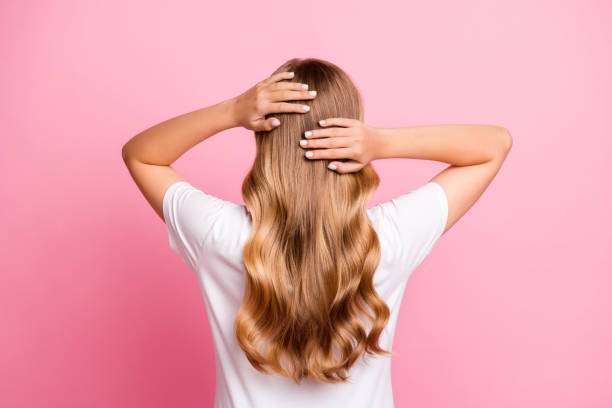
Consequence 2: Hair strands become matted and lose their natural elasticity.
When too much hair oil is applied, a thick oil film forms on the hair cuticle, causing the hair strands to stick together and lose their natural elasticity and layering. The hair looks heavy and lifeless, and even with styling, it cannot achieve a natural, voluminous look. This is especially true for curly and medium-length hair; excessive hair oil can cause curls or layers to disappear, resulting in a loss of overall volume. The correct method is to apply hair oil in sections, using a small amount evenly, ensuring each hair strand receives the necessary nourishment without sticking together. This will help maintain the hair’s elasticity and natural shine.
Consequence 3: Clogged scalp, leading to dandruff and itching.
of hair oil can put direct stress on the scalp, leading to clogged pores and disordered sebum secretion. The scalp cannot properly expel excess oil and sweat, easily causing itching, redness, and even dandruff and inflammation.
Long-term overuse of hair oil may damage the scalp barrier function and disrupt the scalp’s microbiome, which not only affects health but may also exacerbate hair loss. When using hair oil scientifically , avoid the scalp area and only treat the mid-lengths and ends of the hair, combining it with gentle shampooing and scalp massage to maintain scalp ecological balance.
Consequence 4: Dull hair color and loss of shine
Many people use hair oil to add shine, but excessive use can actually cause hair to lose its natural luster. A thick film of oil covering the hair cuticle prevents light from refracting properly, making the hair appear dull, oily, and lacking shine. This is especially true for dyed hair, which is more susceptible to damage.
Dyed hair needs to absorb conditioning ingredients to maintain its color, but too much hair oil can hinder absorption, leading to pigment loss and dryness. Properly controlling the amount used and adjusting the frequency of application are essential to achieving both shine and color longevity, allowing hair oil to truly provide conditioning benefits.
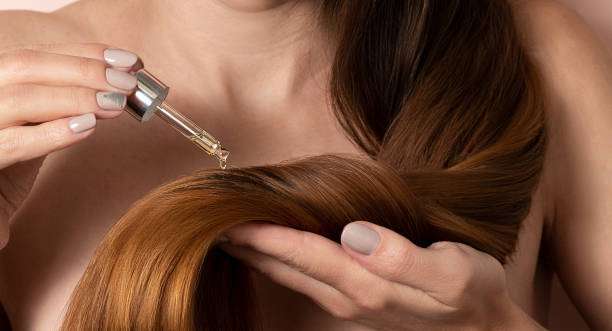
Consequence 5: Increased difficulty in cleaning, leading to long-term damage to hair.
In daily life, excessive use of essential oils is no small matter, and its negative effects should not be underestimated. When we use essential oils excessively without restraint, a series of troublesome problems will immediately arise. For example, hair will become greasy, as if wrapped in a layer of oil film, appearing flat and lacking any volume or texture. Moreover, this is only the visible problem; more troublesome is that it greatly increases the difficulty of cleaning the hair.
Because essential oils tend to accumulate on the surface of hair and scalp, they act like a thick “oil coat.” To thoroughly remove this “oil coat,” ordinary cleaning methods are ineffective; excessive shampooing or frequent washing is necessary.
However, frequent washing is not beneficial. Our hair and scalp naturally possess a layer of oil that protects them. Frequent washing acts like a ruthless “plunderer,” stripping away these natural oils. This causes hair to gradually lose nourishment, becoming dry and brittle, and severely damaging the hair cuticles. Damaged hair then requires even more washing to maintain its cleanliness, creating a vicious cycle.
Even worse, some people resort to inappropriate methods when faced with oily hair. They try vigorously rubbing their hair, thinking this will remove the oil, or use high heat to blow-dry their hair, hoping to make it dry quickly. In reality, these methods only make the situation worse, further damaging the hair’s structure. Once the hair structure is damaged, it becomes very fragile and prone to breakage, and the hair also becomes frizzy and loses its original smoothness and shine.
So, how can we avoid this long-term damage? The method is actually not complicated; controlling the amount of hair oil used is the first step. We should use hair oil appropriately according to our hair condition and needs, rather than blindly applying large amounts. In addition, applying oil to different sections of the hair is also a good technique.
Different areas of hair have different sebum secretion and needs; applying hair oil to specific areas allows it to achieve better results while reducing unnecessary waste and negative effects. Another important point is to use the right hair care products. Choose shampoos and conditioners suitable for your hair type; these will cleanse your hair while providing necessary nourishment and protection. If you can control the amount of hair oil used, apply it to different sections, and use the right hair care products, you can effectively avoid the long-term damage caused by excessive use of hair oil, keeping your hair healthy, smooth, and shiny.
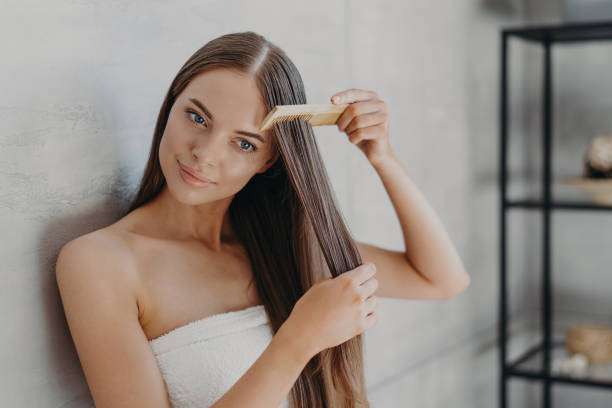
Recommendations for the scientific use of hair oil
To avoid these fatal consequences, using hair oil scientifically is key. First, the amount and frequency of use should be adjusted according to hair type, length, and season. Dry, frizzy hair can have more product applied to the ends, while oily hair or in summer conditions should have less product applied and should be avoided at the roots. Second, applying the oil in sections, starting with the ends and then the mid-lengths, ensures even coverage and avoids burdening the scalp.
After applying the hair oil, gently massage it into your hair, patiently waiting for the oil to be fully absorbed before styling. This allows the oil to penetrate the hair cuticle more effectively. At the same time, it can effectively reduce greasiness and clumping. For those with oily scalps, choose a low-concentration, lightweight oil product or a serum specifically formulated for deep nourishment of the hair ends. This allows for targeted hair care without adding extra burden or stress to the scalp.
Furthermore, combining hair oil treatments with proper blow-drying, styling products, and a nighttime conditioning routine can maximize the oil’s effects. It also helps maintain the volume and shine of your hairstyle, making your hair look healthier and shinier.
Summarize
Overuse of hair oil can lead to a range of problems, including oily scalp, tangled hair, clogged scalp, dull hair color, and increased difficulty in cleaning. Understanding these consequences and using it correctly is key to maximizing the benefits of hair oil in your daily hair care routine . Applying the right amount, sectioning the hair, avoiding the scalp, gently massaging, and allowing it to absorb are the core steps to maintaining smooth, shiny, and healthy hair. Mastering these techniques will help you avoid common mistakes and ensure that hair oil becomes an effective tool for improving hair quality and enhancing styling, rather than a burden that causes problems.
FAQ
Q1: Will using
hair oil every day harm my hair? Using a moderate amount daily usually won’t damage your hair, but you should avoid the scalp, control the amount used, and combine it with a gentle shampoo and conditioner. Excessive use can easily lead to oily, flat hair and scalp problems.
hair oil if my scalp is very oily ?
Yes, but you should try to avoid contact with the scalp. Only treat the mid-lengths and ends of your hair, and combine this with proper shampooing and scalp massage to maintain sebum balance.
Q3: What to do if your hair is oily
after using too much hair oil ? First, rinse with warm water, then use an appropriate amount of shampoo to cleanse. Avoid vigorous rubbing or high-temperature blow-drying. After cleansing, you can reapply the shampoo, controlling the amount used, and treat the ends and mid-lengths of your hair in sections.