
In modern hair care and styling, hair oil has become an essential item in many people’s daily toolbox. It not only enhances hair shine and smooths frizz but also helps with styling and protects hair quality. However, many people still only scratch the surface when using hair oil , applying it in a single way, using the wrong amount, and achieving unsatisfactory results. Hair stylists master some hidden techniques in their daily work that, through small details and scientific application, can make hair oil achieve unexpected results while protecting hair health. This article will fully reveal these techniques and analyze the principles and precautions behind each method, allowing you to use hair oil at home like a professional stylist .
Tip 1: Control humidity before applying.
Many people mistakenly apply hair oil directly to completely dry or completely wet hair. Hair oil is absorbed best on hair with moderate moisture. When humidity is too high, the water dilutes the oil, preventing it from adhering evenly to the hair cuticle, leading to localized oiliness and insufficient absorption. When humidity is too low, the hair cuticle closes, making it difficult for the oil to penetrate and perform its repairing and smoothing effects. Professional hairstylists typically towel-dry hair after shampooing, bringing it to about 70-80% dry, before evenly applying hair oil. This allows the oil to adhere and be absorbed fully while maintaining a lightweight texture.
Technique 2: Start from the ends of your hair and gradually extend upwards.
hair oil from the roots , believing this will smooth the entire hair. Actually, applying it from the ends is more effective. The ends are the driest and most damaged part of the hair, requiring priority nourishment and repair. After applying to the ends, gently extend a small amount of oil upwards along the mid-lengths. This avoids scalp greasiness and ensures the hair cuticles remain smooth. If the scalp area needs treatment, it’s recommended to choose a specialized, lightweight scalp serum instead of regular hair oil . Applying hair oil in this order will significantly improve smoothness and shine while avoiding burdening the scalp.

Tip 3: Apply in sections, using small amounts evenly.
Many people pour out a large amount of hair oil at once, trying to cover their entire head. This method easily leads to greasy scalp while the ends remain dry. Professional hairstylists recommend sectioning the hair, applying a suitable amount of hair oil to each section , and then gently massaging it in to ensure even absorption. Sectional application ensures that each strand of hair receives protection and nourishment while preventing oil buildup. The amount and application method will differ for short hair, straight hair, and curly hair. Mastering the techniques of sectioning and even application is key to maximizing the effects of hair oil .
Tip 4: Gently knead first, then comb.
applying hair oil , many people comb their hair directly, trying to distribute the oil evenly. However, combing directly can scrape the oil off the hair surface, leading to insufficient absorption. The correct way is to first gently massage the hair with your fingertips to allow the oil to penetrate the hair cuticles, then use a wide-tooth comb to gently comb from the ends to the roots, avoiding pulling and breakage. Gentle massage promotes hair oil absorption, leaving hair smooth and shiny while reducing frizz and static.
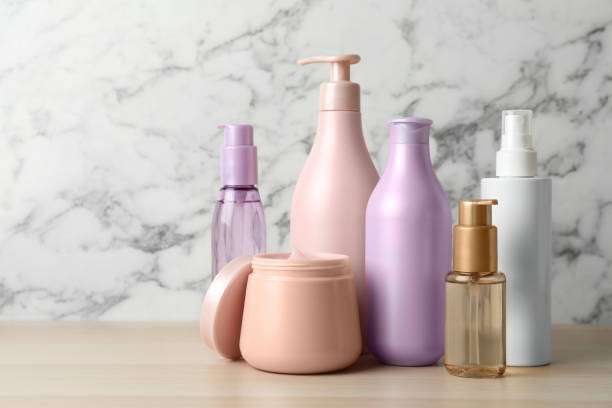
Tip 5: Use hot air to aid absorption, but the temperature must be controlled.
Moderate heat can help hair oil penetrate the hair cuticle, improving absorption efficiency. Hairstylists typically blow-dry hair coated with hair oil at low speed and medium temperature to allow the oil to fully integrate with the hair strands. However, excessive heat can damage the hair cuticle, causing the hair to lose moisture, become dry, and even become frizzy. When using a hairdryer, maintain a certain distance and avoid blowing directly on the scalp, ensuring that the heat is only used to promote absorption, not as a source of damage to the hair.
Tip 6: Mix hair oil with styling products to improve staying power.
A common technique used by hairstylists is to mix hair oil with a small amount of styling product to achieve both smoothness and hold. For example, before drying hair, mix hair oil with a light amount of gel or mousse in a specific ratio, apply it to the ends first, then spread it evenly along the mid-lengths. This locks in moisture and increases the hold of the style. Mixing the two can reduce the dryness of using styling products alone, while also making the hair look more natural and shiny. It’s important to control the ratio; too much oil will make it greasy, and too much styling product will make it stiff.
Tip 7: Apply lightly before bed for deep repair
Nighttime is the golden time for hair to repair itself. During this period, hair can better restore its health through the body’s natural metabolic mechanisms. Hairstylists often advise applying a light layer of hair oil to the ends and mid-lengths of your hair before bed, taking special care to avoid getting the oil on your scalp. This is because the scalp naturally produces oil, and if hair oil comes into contact with it, it can make the scalp too oily, affecting its normal respiration and metabolism.
Nighttime temperatures are relatively comfortable, neither too hot to cause excessive moisture loss from the hair nor too cold to affect blood circulation. Furthermore, at night, people are resting, and the hair is at rest, free from external friction. In this ideal environment, hair oil applied to the hair can slowly penetrate the hair cuticle. The cuticle acts as a protective barrier for the hair; once the oil penetrates, it can deeply nourish and repair damaged hair strands. It can fill in gaps in the hair shaft, enhance its resilience, and make it healthier and stronger.
When you wake up in the morning, there are two simple ways to care for your hair. One is to gently rinse your hair with cold water, which helps to shrink the hair cuticles, making your hair smoother and shinier. The other way is to gently comb your hair in the direction of its growth with a dry comb. These simple steps will help keep your hair in good condition.
This method is particularly effective for those with severely dry, split, and frizzy hair. It can significantly improve the overall condition of the hair, gradually making dry, split, and frizzy hair smoother and more manageable, enhancing its silkiness and making it look healthier and shinier.
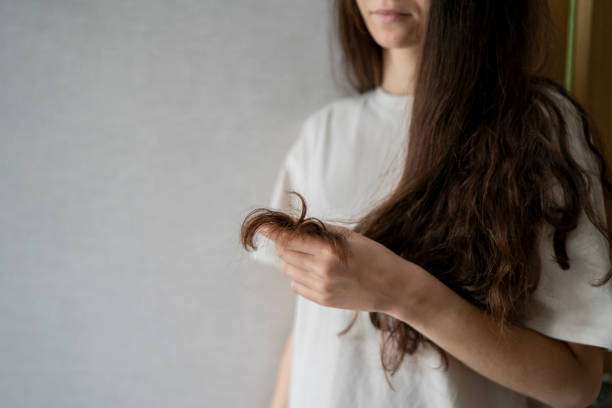
Tip 8: Adjust usage frequency according to season and climate
hair oil is not fixed; season and climate significantly influence its frequency. In winter, the air is dry, and hair is prone to moisture loss; using hair oil can increase protection and shine. In summer, high temperatures and increased sebum production can lead to greasy scalp and flat hair if oil is applied too frequently . Hairstylists will adjust the amount and frequency of hair oil application based on hair condition, humidity, and temperature to maintain optimal hair health. Understanding seasonal adjustments can help avoid common hair care mistakes and prolong the effects of hair oil .
Summary: Hidden techniques to double the effects of hair oil
Hair oil is more than just a tool for smoothness and shine; it’s a crucial step in hair care and styling. Mastering eight hidden techniques—from controlling humidity, applying in sections, gently combing, using heat to assist styling, mixing and blending, overnight repair, to seasonal adjustments—can significantly enhance the effects of hair oil while protecting scalp health. Many people only apply it superficially, failing to unlock its full potential. Learning and utilizing these hidden techniques is key to making daily hair care more scientific and efficient.
FAQ
Will
using essential oils daily damage my hair or scalp? Daily use in moderation generally won’t damage hair, but you should avoid the scalp, control the amount used, and ensure even absorption. Excessive or frequent contact with the scalp may lead to oiliness and clogged hair follicles.
Q2: Is it safe to mix
hair oil and styling products? It is safe, but the ratio needs to be controlled. Too much hair oil can make the hair greasy, while too much styling product can make it stiff. Adjust the amount according to the length, thickness, and styling needs of your hair.
Q3: Why is hair oil more effective at night?
At night, hair is at rest and free from friction, and the temperature is suitable. Hair oil can slowly penetrate the hair cuticle to achieve deep nourishment and repair, while reducing daytime friction and environmental damage.