
The concept of home spa hair care
With today’s fast-paced lifestyle, many people find it difficult to regularly visit professional hair salons for deep conditioning treatments. Therefore, creating an effective hair care ritual at home has become a new trend.
Hair oil, as a natural, gentle, and multifunctional hair care tool, can achieve deep nourishment, cuticle repair, and scalp conditioning in the home environment. Through scientific usage steps and proper application methods, hair oil can not only improve dry, frizzy, and split ends but also provide a comfortable experience for the scalp and improve overall hair health.
The core concept of a home spa is to transform hair care into a ritual, making each treatment not only a physical nourishment but also a relaxing and enjoyable experience.
Hair oil plays a dual role in this process, providing nourishment and protection to the hair while also bringing emotional pleasure through massage and touch. Scientific research shows that combining scalp massage and aromatherapy with hair oil not only improves scalp blood circulation but also reduces stress levels, adding to the overall comfort of a home spa experience.
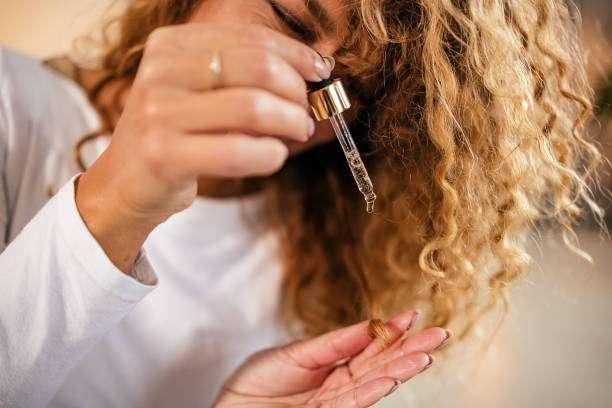
Step 1: Preparing and Selecting Hair Oil
The first step in a home spa experience is preparing the environment and hair oil. Choose a quiet, comfortable space, maintain a suitable temperature, and prepare towels, combs, and necessary hair care tools.
The choice of hair oil should be adjusted according to hair type, season, and individual needs. Dry or damaged hair is suitable for highly nourishing oils such as shea butter and argan oil, which can deeply repair the hair cuticle while increasing hair smoothness.
Fine and soft hair is better suited to argan oil, camellia oil, or jojoba oil. These oils are lightweight and easily absorbed, will not add burden, but still form a protective film on the hair surface.
When choosing hair oil, pay attention to natural ingredients and suitability for sensitive scalps, avoiding potential irritation from chemical additives.
Preparation also includes gently heating the hair oil to near body temperature. This enhances penetration, allowing nourishing ingredients to be absorbed more easily by the hair, and increases comfort during the massage. Scientific preparation not only lays the foundation for a home spa experience but also makes the entire hair care process more efficient, comfortable, and ritualistic.
Step 2: Scalp massage and oil penetration
of hair oil is to nourish the hair and scalp, making scalp massage an indispensable step in a home spa experience.
Apply warm hair oil evenly to the scalp and gently massage in circular motions with your fingertips, starting from the forehead, moving towards the back of the head, and then outwards to the sides, ensuring each area receives even stimulation.
During the massage, the hair oil penetrates into the hair follicles and mid-lengths, improving blood circulation, enhancing scalp vitality, and increasing hair smoothness and shine.
The frequency and pressure of scalp massage should be moderate, prioritizing comfort and avoiding excessive force that could damage the scalp.
Massaging for 10 to 15 minutes allows the hair oil to fully penetrate the hair shaft, improving dryness and brittleness. Simultaneously, the sensation and aroma of the massage can relax the mind and add a sense of ritual, making a home spa experience not just hair care, but a relaxing experience for both body and mind.
The natural lipids in the hair oil play a key role in this process, repairing damaged cuticles and forming a protective film, thus improving the overall health of the hair.
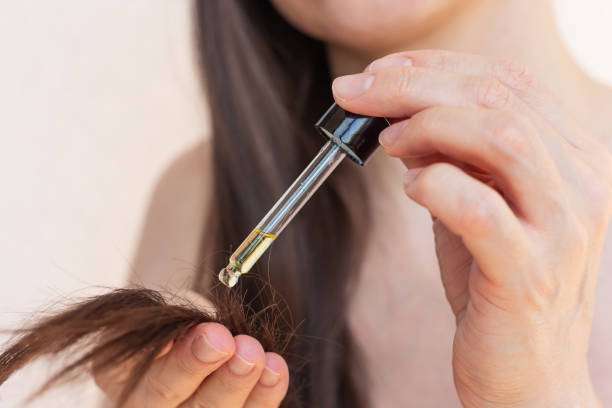
Step 3: Deeply nourish hair
After massaging your scalp, extend the hair oil to the mid-lengths and ends for deep nourishment. Gently comb through your hair to distribute the oil evenly, ensuring each strand receives ample nourishment.
This deep nourishment improves dryness, frizz, and breakage, while forming a protective film on the hair surface to defend against damage from external factors such as wind, UV rays, and dry air.
For dyed, permed, or damaged hair, increase the amount of hair oil applied and focus on the ends.
Deep nourishment not only repairs daily damage but also improves smoothness and shine, making hair look healthier and shinier. Combining this with a hot towel or steam compress allows the hair oil to penetrate better in a warm environment, enhancing its nourishing effect.
Through deep nourishment, this home spa treatment not only improves hair quality but also leaves hair with a healthy, shiny appearance and feel.
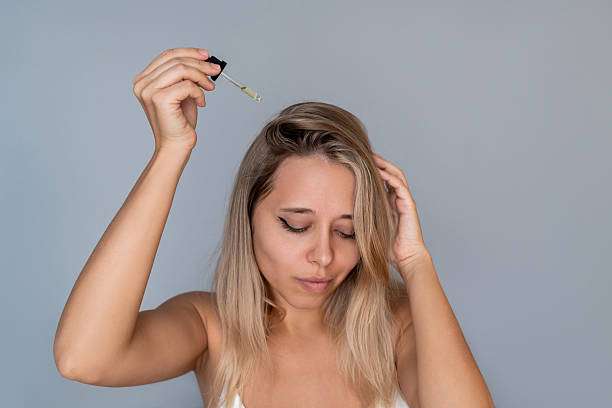
Step 4: Rinsing and Finishing Care
After deep conditioning, you should choose to rinse or leave it on depending on the type of hair oil and your individual needs.
Lighter oils, such as argan oil, can be rinsed off with warm water after a short time to keep hair clean, while heavier oils, such as shea butter, are suitable for leaving on as a leave-in treatment, providing long-lasting protection.
When rinsing, use warm water and a mild shampoo, gently massaging the hair to avoid excessive friction that could damage the hair cuticles and cause nutrient loss.
After rinsing, gently pat dry with a towel, then apply a small amount of hair oil as a finishing touch to make the hair smooth and silky.
Finishing treatments not only lock in moisture and oils but also maintain shine and smoothness, improving overall hair health. For long or damaged hair, use a leave-in conditioner or serum for further protection, extending the benefits of a home spa treatment into daily life.
Through proper rinsing and finishing treatments, the nutrients in hair oil are fully absorbed, leaving hair smooth, shiny, and reducing frizz and breakage for a highly effective at-home hair care routine.
Comprehensive Home Spa Strategy
Combining a four-step hair care routine, home spa treatments are not just about hair care, but also a relaxing and ritualistic experience.
The preparation stage ensures a suitable environment for hair oil application; scalp massage improves blood circulation and oil penetration; deep nourishment and repair of damaged hair; and rinsing and finishing touches lock in nutrients and shine.
Through scientific application, hair oil treatments can achieve salon-like results at home, leaving hair healthy with a natural shine and smooth texture.
Consistent home spa treatments can significantly improve hair quality issues, including dryness, frizz, breakage, and split ends, while also positively impacting scalp health.
The natural ingredients in hair oil not only nourish hair strands but also soothe scalp stress, enhancing the overall hair care experience.
By scheduling treatments appropriately, choosing suitable hair oils , and applying them scientifically, home spas become an efficient solution for achieving healthy, shiny hair, while making hair care a ritualistic and high-quality experience.
FAQ
How often should you use hair oil for a home spa treatment?
Depending on your hair type and scalp condition, you can generally perform a high-efficiency hair treatment 2 to 3 times a week. Dry or damaged hair can increase the frequency appropriately, while fine or oily hair can be controlled to 1 to 2 times.
hair oil for different hair types?
Dry hair is suitable for nourishing, thick oils such as shea butter or argan oil. Fine hair is suitable for lightweight, easily absorbed argan oil or tea seed oil. Oily hair can be applied locally to the ends of the hair to avoid scalp greasiness.
for a home hair oil spa?
Using a hot towel or steam can enhance the penetration and absorption of hair oil, but it’s not necessary. If you don’t use a hot towel, you can achieve good results by extending the massage time and gently combing your hair.