
Hair oil and psychological feelings
Hair oil has long been considered a hair care product, its core function being to nourish hair strands, repair hair cuticles, and improve hair texture.
However, in modern life, more and more people are discovering that using oil not only improves hair health but also has a significant positive impact on their emotions.
This psychological effect is not accidental; rather, hair oil, through its multi-dimensional effects, triggers the body’s psychological relaxation mechanisms, allowing users to experience relaxation, satisfaction, and pleasure during use.
Modern psychological research indicates that human sensory experiences are closely related to emotional states.
During application, massage, and aroma stimulation, hair oil can activate multiple senses—touch, smell, and sight—causing the brain to release neurotransmitters like dopamine and serotonin, creating a relaxed and pleasant psychological experience.
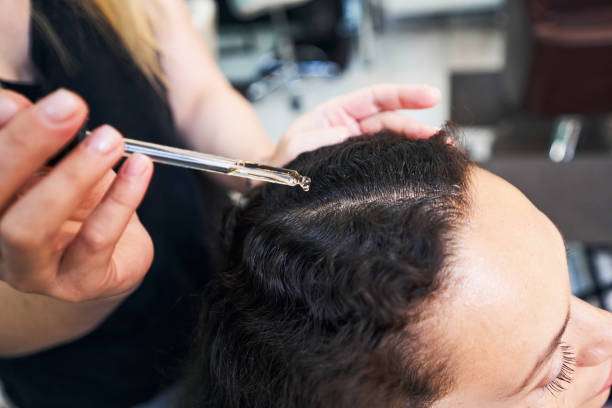
Especially in fast-paced and stressful daily lives, the gentle caress of hair oil on the scalp and hair becomes a tool for psychological adjustment, providing a spa-like relaxation experience and relieving tension and anxiety.
This psychological effect forms the basis of hair oil’s emotional therapy and reflects its unique value in emotion management.
Principle 1: The relaxing effect of tactile stimulation
Hair oil therapy is the relaxing effect of tactile stimulation. During the application of hair oil, the gentle pressure and friction between the fingertips and the scalp provide continuous tactile stimulation, improving blood circulation in the scalp, promoting hair follicle nourishment, and simultaneously conveying a sense of security and comfort to the brain.
This tactile stimulation affects the activity of the parasympathetic nervous system through nerve conduction, gradually transitioning the body from a state of tension to a state of relaxation, thereby relieving stress and anxiety.
Studies have shown that applying and massaging warm hair oil onto the scalp can enhance tactile stimulation and improve psychological well-being.
The tactile experience not only improves scalp health but also brings psychological satisfaction, allowing users to experience moments of tranquility and relaxation in their daily lives.
Hair oil mood therapy transforms the simple act of hair care into a ritualistic process of mood regulation through this tactile and psychological interaction, enabling people to achieve positive mood improvements through daily care.
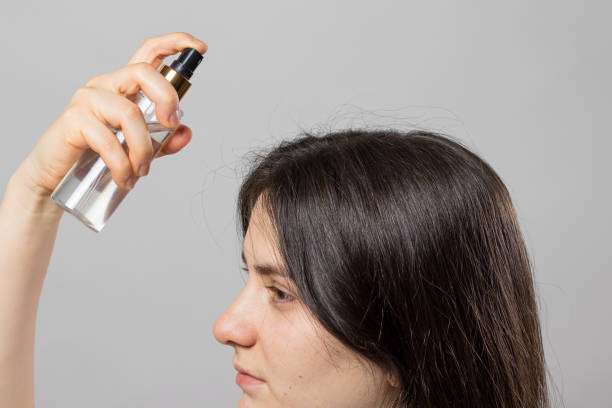
Principle 2: The effects of aromatic molecules on the nervous system
The second principle of hair oil mood therapy involves the psychological effects of aromatic molecules. Many hair oils are rich in natural plant essential oils or aromatic components, such as lavender, rose, ylang-ylang, or citrus essential oils.
These molecules enter the limbic system of the brain through the sense of smell, directly affecting the mood regulation center. Olfactory stimulation can trigger activity in the amygdala and hippocampus, regulating stress responses and emotional states, producing feelings of relaxation, pleasure, and even healing.
During the use of oil, aromatic molecules interact with tactile stimuli, enhancing the overall psychological therapeutic effect.
The scent of essential oils can evoke memories and emotional resonance, generating pleasant recollections or relieving psychological stress.
Different scents of oil have different focuses in mood therapy; for example, lavender has a calming effect, while citrus aromas can enhance vitality and mental state.
Aromatic molecules interact with the brain’s neural networks through the olfactory pathway, which is an important biochemical basis for oil’s ability to improve mood.
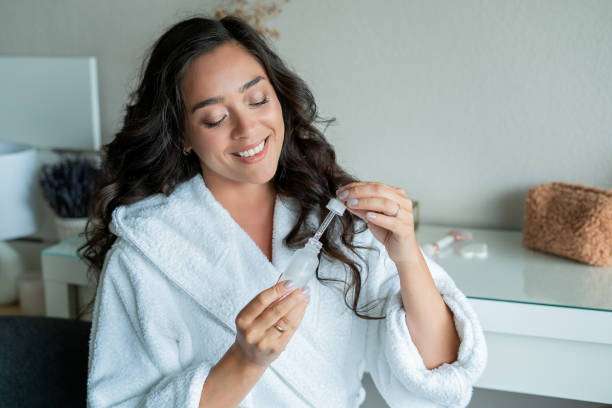
Principle 3: Ritual and Self-Awareness Mechanism
The third principle is the mechanism of ritual and self-focus. Hair oil therapy relies not only on physical and chemical stimuli but also on psychological rituals.
In daily life, people are often busy with work and family matters, neglecting self-care.
The process of using hair oil provides a time for self-focus.
Through continuous actions of application, massage, and deep nourishment, a complete care ritual is formed, allowing the brain to perceive a sense of self-awareness and self-worth.
Establishing a sense of ritual can enhance psychological satisfaction and emotional stability.
Psychological research shows that regular self-care behaviors can reduce stress hormone levels and increase well-being.
Hair oil mood therapy transforms simple hair care into a psychological adjustment tool through ritualized procedures, allowing users to experience a sense of control, accomplishment, and physical and mental comfort in each care session.
Over time, this self-care mechanism not only improves mood but also enhances overall psychological resilience, creating a positive cycle.
Hair oil and mood therapy
Combining the three principles mentioned above, the effects of oil emotional therapy are not only reflected in improved hair quality, but also in mental health and emotional regulation.
The synergy of tactile stimulation, aromatic molecules, and ritual makes the use of hair oil a multi-sensory, multi-layered emotional intervention.
Through continued use, hair oil not only nourishes the hair and scalp, but also brings psychological pleasure, stress relief, and enhanced self-esteem, creating a dual effect of hair care and psychological adjustment.
This therapy is highly practical in daily life, requiring no complex equipment or external assistance. It can be achieved simply by following the steps of scalp massage, hair nourishment, and aromatherapy in a comfortable environment.
The value of hair oil therapy lies not only in hair health but also in establishing a positive psychological cycle through simple actions, making hair care a daily ritual that improves quality of life and enhances well-being.
Usage suggestions and precautions
To maximize the therapeutic effects of hair oil treatments, it is recommended to use the hair oil in a quiet environment, avoiding external disturbances.
Choose a hair oil suitable for your hair type and preferences, paying particular attention to its natural fragrance and texture to ensure a comfortable experience.
During application, gently massage and apply evenly to fully utilize the tactile and aromatherapy benefits.
Daily or every other day for short treatments can establish a regular ritual, allowing the psychological effects to gradually accumulate.
In daily life, it can be combined with other self-care practices, such as deep breathing, soft music, or scented candles, to further enhance the ritualistic and psychologically soothing effects.
At the same time, avoid using chemical additives that may cause scalp sensitivity or allergies, ensuring the hair oil is natural and safe.
Through scientific application and proper planning, hair oil therapy can become an important tool for improving quality of life, relieving stress, and improving mood.
FAQ
- Is hair oil a suitable emotional therapy for everyone?
Most people can use it, especially those under a lot of stress and with a fast-paced lifestyle. However, those with sensitive scalps or allergies should choose hair oils with gentle, natural ingredients and test them on a small scale first. - How long does it take for hair oil to produce emotional therapeutic effects?
Generally, you can experience a relaxing feeling from the touch and aroma during each use of hair oil. Long-term, regular use can create a stable psychological effect and enhance feelings of well-being. - What are the effects of different scented hair oils on mood therapy?
Lavender and ylang-ylang have calming and relaxing effects, citrus scents can boost mental energy, and rose scents are suitable for relieving tension and enhancing feelings of pleasure. You can choose according to your personal needs.