
hair oil and hair follicle health
Hair oil is widely used in hair care, primarily to nourish hair strands, repair hair cuticles, and protect hair from external damage.
However, in recent years, more and more people have been concerned about whether hair oil can promote hair growth.
The physiological process of hair growth depends on the health of hair follicles, blood circulation, hormone levels, and nutrient supply.
The activity of matrix cells in the hair follicle directly determines the generation and maturation of new hair.
Hair oil, through local massage, natural lipid penetration, and nutrient supply, may indirectly improve the microenvironment of hair follicles, providing support for hair growth.
Scientific research shows that scalp blood circulation, hair follicle nutrition levels, and local inflammation control are key factors affecting hair growth, and oil plays a potential role in these aspects.
Evidence 1: Promotes scalp blood circulation
The primary condition for hair regrowth is that hair follicles receive an adequate blood supply.
Hair oil, applied through scalp massage, stimulates blood circulation, dilates capillaries around the hair follicles, and enhances the delivery of oxygen and nutrients.
Studies have found that warm hair oil combined with massage can significantly increase local blood flow, improve the metabolic activity of hair papilla cells, and create a favorable environment for new hair growth.
Improved blood circulation not only provides essential amino acids, vitamins, and trace elements for growth but also accelerates the removal of waste products from the hair follicles, thereby optimizing follicle function.
This evidence shows that although hair oil itself cannot directly stimulate hair growth, it provides the necessary conditions for hair regrowth by improving the nourishing environment of the hair follicles.
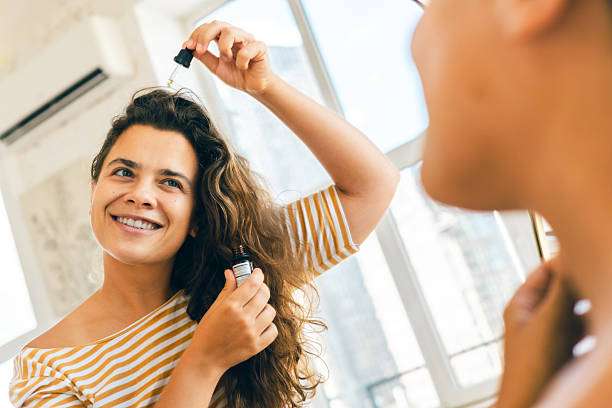
Evidence 2: The nourishing effect of the hair follicle microenvironment
A healthy hair follicle microenvironment is crucial for hair growth.
Dryness, oxidative stress, or localized inflammation can inhibit the activity of dermal papilla cells, reducing hair growth efficiency.
Hair oil is rich in natural lipids, vitamins, and antioxidants, which can penetrate the area around the hair follicle to improve dryness and inflammation.
Experimental data shows that oils containing vitamin E, phytosterols, and essential fatty acids can reduce oxidative stress in the hair follicle microenvironment, enhance the survival rate and metabolic level of dermal papilla cells, thereby indirectly supporting hair growth.
Long-term, regular use of hair oil helps maintain the nutritional and protective state around the hair follicle, allowing hair to grow more stably in a healthy environment.
Evidence 3: The link between hormone regulation and hair growth
Hair growth is regulated by androgens and other hormones; excessive DHT (dihydrotestosterone) can lead to androgenetic alopecia.
Studies have shown that some plant-derived hair oils, such as caffeine oil, rosemary oil, and ginger oil, can locally inhibit the negative effects of DHT on the dermal papilla and stimulate dermal papilla cells to secrete growth factors.
Although hair oils cannot systemically alter hormone levels in the body, their local effects can, to some extent, slow down hair follicle atrophy and prolong the hair growth phase.
This indicates that hair oils, through local chemical regulation, provide auxiliary conditions for hair growth, a direction worthy of attention in scientific research.
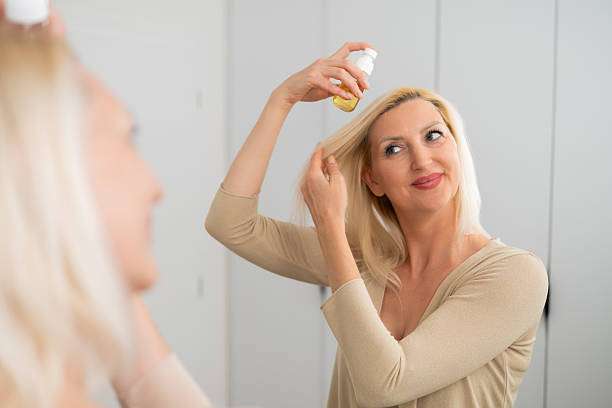
Evidence 4: Improves scalp barrier function
A healthy scalp is a crucial prerequisite for hair growth.
A damaged scalp barrier can lead to inflammation, dryness, and dandruff, inhibiting hair follicle activity.
Hair oil nourishes the scalp, repairs the sebum film and stratum corneum, and improves scalp hydration and resistance to irritation, thereby indirectly improving the hair follicle environment.
Experimental data shows that using hair oil can significantly increase scalp moisture and sebum balance, reduce the release of inflammatory factors, and provide a stable growth environment for hair follicles.
A healthy scalp barrier not only reduces the risk of hair loss but also provides the foundation for hair regeneration, demonstrating the potential value of hair oil in supporting hair growth.
Evidence 5: Indirect Influence of Psychological and Behavioral Factors
The use of hair oil also involves psychological and behavioral factors, which are scientifically supported in hair regrowth research.
Regular scalp massage and hair care rituals can relieve stress and reduce cortisol secretion, and high levels of cortisol have been shown to inhibit hair follicle activity.
The self-care behaviors established through hair oil use make individuals more attentive to scalp and hair health, creating a positive feedback loop.
While this indirect psychological effect is not a direct chemical or physiological action, it is significant for maintaining healthy hair follicles and promoting hair growth in the long term.
Research shows that combining behavioral and psychological interventions with physical nourishment is an important component of a comprehensive hair regrowth strategy.
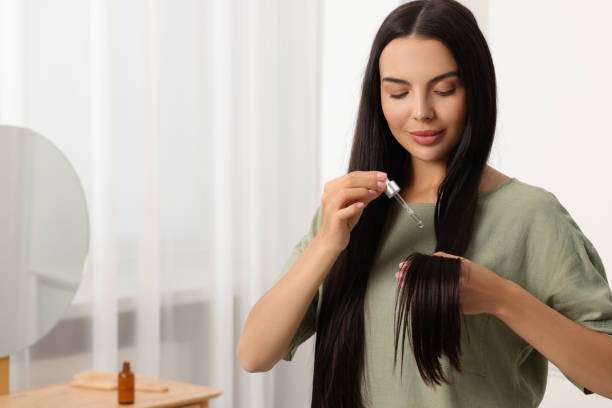
Comprehensive Analysis and Practical Recommendations
In summary, hair oil itself is not a direct hair growth drug, but it provides multiple supports for hair follicle health and hair growth by improving scalp blood circulation, nourishing the hair follicle microenvironment, regulating local hormones, enhancing scalp barrier function, and through psychological and behavioral effects.
In practical application, the ingredients of the hair oil should be selected according to hair type and hair loss type .
For example, dry or damaged hair can use nourishing plant oils, while thin hair can use easily absorbed essential oils or compound oils.
The best application method is to warm the hair oil and massage it in with your fingertips, ensuring even coverage of the scalp and hair strands, while maintaining a regular and consistent application.
Combined with a healthy diet, sufficient sleep, and moderate exercise, hair oil can be an important supplement to a comprehensive hair growth program, allowing hair to grow healthier and longer in a favorable environment.
Scientific evidence shows that the role of hair oil in assisting hair growth is multi-dimensional, providing both physiological support and positive psychological and behavioral effects, thus offering a reliable basis for scalp care and hair growth strategies.
FAQ
Does hair oil completely solve hair loss problems?
Hair oil itself cannot cure hair loss. Its function is to improve the hair follicle environment and nourish the scalp and hair, thereby providing auxiliary conditions for hair regrowth. Severe hair loss or androgenetic alopecia, still requires medical treatment.
How often should you use hair oil to support hair growth?
It is generally recommended to use it 2 to 3 times a week, massaging the scalp for 10 to 15 minutes each time. Long-term, regular use can gradually improve the hair follicle environment and make the hair growth effect more obvious.
Which hair oil ingredients have the most scientific evidence for promoting hair growth?
Hair oils containing rosemary, caffeine, ginger, or vitamin E have been shown in studies to improve hair papilla cell activity, inhibit local DHT activity, and provide antioxidant support, making them commonly used ingredients to aid hair growth.