
The outer layer of hair oil is composed of cuticles, which cover the hair shaft like tiles, forming a natural protective barrier. The tightness of the cuticle arrangement directly affects the hair’s shine, smoothness, and resistance to damage. Healthy, neatly arranged cuticles effectively prevent moisture loss, reduce external friction damage to the hair, and ensure even light refraction, making the hair look shiny and smooth.
However, daily washing, conditioning, dyeing, perming, blow-drying, and UV exposure can damage the cuticle arrangement, causing it to lift or break, resulting in frizzy, brittle, and dull hair. This is the source of most people’s perception of “cuticle damage.”
Damage to the hair cuticle is actually a structural disruption, not a simple matter of opening and closing. It involves broken protein chains, denaturation of keratin structure, and damage to hydrogen and disulfide bonds.
Understanding this is crucial for evaluating the effectiveness of hair care products. Many hair care products advertise that they can “close the hair cuticle,” but this concept is often misunderstood as “repairing the internal structure of the hair.” In fact, there is a fundamental difference between the two.
Closing the hair cuticle only improves the surface arrangement, making the hair look smooth and shiny, but it cannot fundamentally repair the damaged protein structure and internal breakage of the hair shaft.
hair oil on hair cuticles
Hair oil is widely believed in hair care to close the hair cuticles, making hair smoother. Hair oil works by forming an oil film on the hair shaft surface, filling the tiny gaps between the cuticles, thereby reducing friction and increasing shine. This oil film effect is physical, improving feel and appearance in a short time, but it does not involve protein repair or internal structural reconstruction.
Therefore, the “closing” effect of hair oil is mainly surface modification, providing visual and tactile improvements rather than true repair of internal hair damage.
Different types of oil have varying effects on the hair cuticle surface. Plant oils, rich in lipids and natural nutrients, can form a soft, smooth protective layer on the hair shaft while also providing some antioxidant properties to slow down hair shaft oxidation and environmental damage.
Chemical oils, such as those containing silicone oil, form a film-like coating, making the hair cuticle appear closed and smooth, but lack nourishing and repairing functions. Regardless of whether you prefer natural or chemical oils, their essence is surface protection and appearance improvement, not repairing internal protein breakage or hair structure damage.
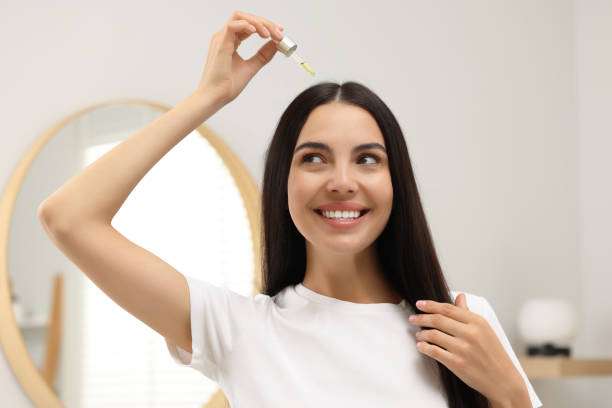
Closure ≠ Repair: Misconception Analysis
There’s a widespread misconception that oil can “close the hair cuticle, which is equivalent to repairing the hair shaft.” In reality, hair repair requires rebuilding the internal structure of the hair shaft, including replenishing keratin chains, repairing hydrogen and disulfide bonds, and restoring the overall protein network of the hair. Hair oil can only form a protective film on the surface of the hair shaft, making the cuticles more compact and improving texture and shine, but it cannot reverse internal chemical damage.
This is why, even after using hair oil , hair feels smooth, but long-term dyeing, perming, or mechanical damage can still lead to breakage and split ends.
Scientific experiments have shown that true hair repair requires specific protein replenishment or rebuilding technologies, such as hydrolyzed keratin, amino acid complexes, and penetrating formulations in deep conditioning products. Hair oil can serve as an external protective measure to prevent further damage, but it cannot be used as a standalone repair solution.
Understanding the difference between closure and repair is crucial for consumers when choosing hair care products and developing a scientific hair care plan, preventing them from blindly relying on hair oil while neglecting internal care.

hair oil in a repair regimen
While hair oil cannot truly repair the internal structure of hair, it still plays an important supporting role in a comprehensive hair care program. First, hair oil reduces friction, minimizing mechanical damage from combing and daily wear and tear, providing a stable environment for internal repair.
Second, natural hair oil contains antioxidants and lipids that slow down hair shaft oxidation and protect keratin from environmental stressors. This means that when used properly, hair oil can prolong the effects of repair products and improve the overall health of hair.
In practice, it’s recommended to use hair oil as the final step in your hair care routine, serving as a surface protection and smoothing agent. First, use protein or deep conditioning products to repair the internal structure, then apply hair oil to cover the hair shaft, forming a protective film while maintaining shine and smoothness. This maximizes the dual effects of internal repair and surface protection, improving both the appearance and structure of the hair.
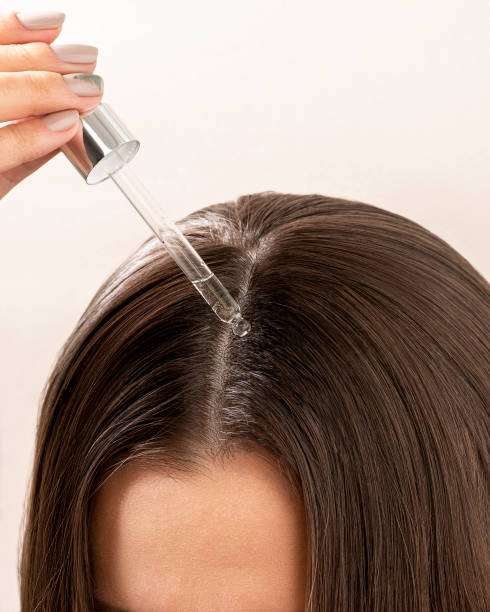
Use strategies and scientific nursing recommendations
To effectively utilize hair oil to protect the hair cuticle without misinterpreting its repairing effects, a scientific application strategy should be followed. First, choose a suitable hair oil based on your hair type . Dry or damaged hair can opt for a nourishing plant oil, while light hair is better suited to a lightweight oil or a blend of essential oils.
Second, before use, warm the hair oil to a comfortable temperature and gently massage it in with your fingertips to evenly coat the hair shaft, avoiding excessive buildup that can create a greasy look. Third, combine hair oil with deep conditioning products to repair the internal proteins first, then close the hair cuticles, truly improving hair health.
Finally, pay attention to daily care and lifestyle habits, minimizing exposure to high temperatures, chemical treatments, and friction damage to create conditions conducive to hair structure recovery.
Understanding that closure is not the same as repair can help consumers rationally view the role of hair oil and avoid the confusion caused by misunderstandings and blind advertising. Hair oil is a tool to improve the feel and appearance of hair, while true hair repair relies on internal protein replenishment and scientific care methods. Combining hair oil with deep conditioning creates a complete hair care system that protects the hair cuticle and improves hair health, achieving scientific hair care.
FAQ
hair oil repair damaged hair?
Hair oil cannot truly repair the internal structure; it can only improve the surface arrangement of the hair cuticle, making the hair smooth and shiny. True repair requires protein or deep conditioning products.
What is the difference between closing the hair cuticle and repairing hair?
Closing the hair cuticle is a surface effect that makes the hair smooth and reduces friction, while repairing hair rebuilds the internal structure of keratin and hair shaft, improving the toughness and strength of the hair. The two are fundamentally different.
hair oil be used in the hair care routine?
It is recommended to use it as the last step after using internal repair products. Gently massage it evenly onto the hair shaft to form a protective film while maintaining shine and smoothness.