Hair Oil and Greasiness
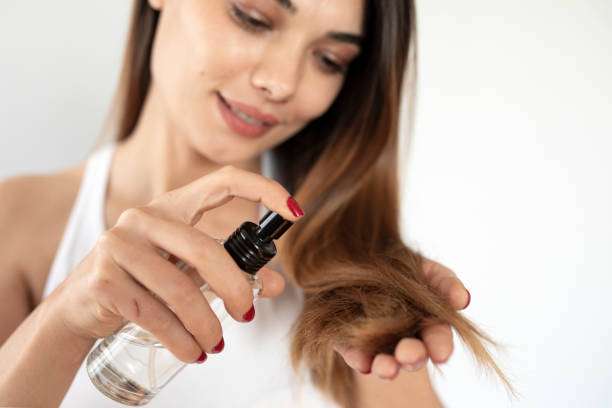
In the hair care industry, many people’s impression of hair oil is stuck in the stereotype that it leaves the scalp greasy and sticky and looks unclean. In reality, the oil itself isn’t the root cause of oiliness; rather, it’s a misunderstanding caused by improper application methods, dosage, and hair type selection.
Oily scalps often occur when using excessive amounts of hair oil , applying it directly to the scalp, or not choosing the appropriate type of oil for your hair type. This means the real problem isn’t with the oil itself but with incorrect application techniques or inadequate product compatibility with your hair type. Scientific hair care emphasizes methods and application strategies, not simply blaming the product.
hair oil is to nourish hair strands, protect the hair cuticles, and improve dryness and frizz by forming a protective film to reduce friction and external damage. Hair oil does not directly increase scalp sebum secretion; the activity of the sebaceous glands in the hair follicles determines the natural amount of oil.
In other words, even if hair oil makes hair appear shinier, this shine is the effect of an external protective film, not an abnormality in internal sebum secretion. Understanding this is key to distinguishing between the “greasy” feel of hair oil and actual excessive sebum.

The reasons behind 80% of car accident accidents
Statistics show that improper use of hair oil accounts for approximately 80% of all unsatisfactory results. The problems mainly fall into several categories: First, excessive use. Many people, in pursuit of smoothness and shine, apply too much oil at once , causing an oil film to build up on the hair surface, creating a visually “greasy and heavy” impression.
Second, improper application techniques. Applying hair oil directly to the scalp or roots easily mixes with natural oils, resulting in a sticky, scalp-like effect, especially noticeable on fine hair. Third, mismatch between hair oil type and hair type. Thick plant oils are suitable for dry or damaged hair, but when used on fine hair or oily scalps, they can easily create a heavy feeling.
Unsuccessful applications not only affect appearance but can also cause psychological anxiety, leading users to mistakenly believe that the essential oil is unsuitable for them. In fact, by using the correct amount, applying it to appropriate sections of hair, and matching it to hair type, essential oils can absolutely achieve smooth, shiny, and non-greasy results. In other words, 80% of unsuccessful applications stem from application technique and product selection issues, rather than the product itself.
The scientific method of using hair oil correctly
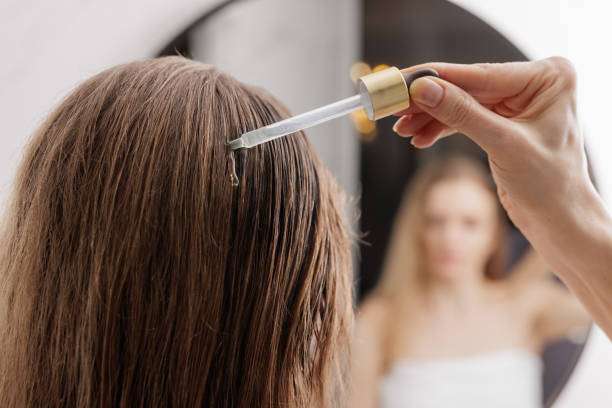
hair oil scientifically can significantly reduce greasiness and maximize its conditioning effects. First, controlling the amount used is key. Dry hair can use a slightly larger amount, but should still be applied in small amounts multiple times to avoid covering the entire hair strand at once. For light or fine hair, a very small amount is recommended—just a tiny bit on your fingertip to cover the ends. Second, focus on the ends and mid-lengths, avoiding direct application to the scalp.
The scalp naturally produces sufficient oil; excessive oil will result in a greasy, cakey appearance. Third, you can use a warm massage or blow-drying technique to help the oil penetrate the hair surface evenly, improving absorption efficiency and reducing buildup.
In addition, choosing the right type of hair oil for your hair type is crucial. Natural plant oils such as jojoba oil and argan oil are suitable for dry and damaged hair, while lightweight compound oils or essential oil complexes are more suitable for fine and soft hair or daily hair care.
Chemical-based lightweight hair oils perform well in smoothing and controlling frizz, but care should be taken to avoid overuse. Through scientific selection and proper application, even oily hair can achieve a clean, smooth, and naturally shiny effect, thus completely avoiding the misconception that hair is the “culprit” of oiliness.
The true hair care value of hair oil
Understanding the true function of hair oil helps correct misconceptions about its greasy feel. Hair oil is more than just making hair smooth; it repairs and protects the hair shaft, improves cuticle arrangement, and reduces damage from external friction. It forms a soft protective film on the hair surface to prevent moisture loss and acts as a barrier during blow-drying, coloring, perming, or UV exposure. For damaged or dry hair, hair oil can also penetrate the hair shaft to replenish lipids, reduce breakage and split ends, and improve hair resilience. With long-term use, the effects of hair oil on hair shaft protection and shine enhancement are cumulative, rather than a temporary illusion of greasiness.
Furthermore, the psychological ritual and care habits associated with using hair oil cannot be ignored. Regular use of hair oil , combined with combing and conditioning techniques, not only improves the feel of the hair but also enhances the user’s scalp awareness and overall hair care consciousness. This proactive approach plays a supporting role in long-term hair care, leading to a steady improvement in hair quality and health. Therefore, the value of hair oil far exceeds superficial shine; it is one of the core components of a hair care system.
Practical Strategies: Operational Details to Avoid Accidents
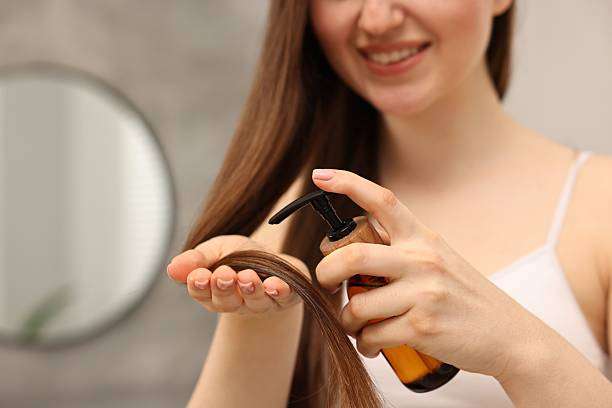
To ensure successful hair oil application, several practical details are crucial. First, preheating the hair oil improves penetration and reduces surface buildup. Warm oil flows better between the hair shafts, forming a more even protective film. Second, using a sectioning method allows for better control of the amount of oil applied; start with the ends and gradually work your way towards the mid-lengths to avoid buildup at the roots.
Third, combining blow-drying or air drying allows for proper absorption while maintaining a light, manageable feel. Finally, regularly cleanse your scalp and hair to prevent the buildup of old oil residue and a heavy, greasy appearance. By mastering these techniques, hair oil can fully deliver its smooth, shiny, and conditioning benefits without causing oiliness.
When used correctly, hair oil won’t be the culprit behind oily hair; in fact, it can improve hair health and appearance. Most hair oil mishaps are actually due to application techniques and misconceptions, not the oil itself. Understanding how hair oils work, mastering correct application techniques, and choosing products appropriate for your hair type are key to avoiding oiliness and maximizing hair care benefits.
FAQ
essential oils really make scalp greasy ?
Essential oils themselves don’t make scalp greasy. The greasy feeling mostly comes from using too much, improper application techniques, or incompatibility between the product and your hair type. Mastering the correct dosage and application method will prevent greasiness.
hair oil for your hair type ?
Dry or damaged hair is suitable for nourishing plant oils, while fine or oily hair is suitable for lightweight compound oils or essential oil products. Choosing products suitable for your hair type can avoid greasiness while still providing hair care benefits.
essential oils be used with other hair care products?
Yes, it is recommended to use essential oils as the last step to coat the hair shaft and protect the hair strands. When combined with deep conditioning or protein repair products, they can achieve comprehensive hair care effects.